03 Jun 2011
by Kim
in Books, Classics, Commentary
Tags: Fairy Tale
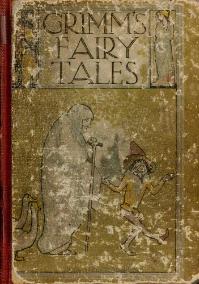
“Why should the mind be filled with fantastic visions, instead of useful knowledge? Why should so much valuable time be lost? Why should we vitiate their taste, and spoil their appetite, by suffering them to feed upon sweetmeats?” – Maria Edgeworth, Preface to The Parent’s Assistant (1796) ¹
Fairy tales go back a long way. Early versions of “Beauty and the Beast” were told in classical Greece and ancient India.² A written version of “Sleeping Beauty” exists from the 20th Dynasty in Egypt.³ It’s truly astonishing how similar folk and fairy tales are across all cultures, sharing plotlines, characters, themes and motifs. The most well-known stories today are only a tiny fraction of thousands of stories from all parts of the globe, and come to us largely from two publications: Histoires ou Contes du Temps passé by Charles Perrault (1696) and the German collections of Jacob and Wilhelm Grimm (1812-1857).
More
17 May 2011
by Kim
in Books, books 4+, Classics
Tags: fairies, Fairy Tale, Magic, Princess, siblings, strong girls

subtitle: “A Holiday Romance from the Pen of Miss Alice Rainbird, Aged Seven”
by Charles Dickens
originally published 1868

this edition: illustrated by Louis Slobodkin, Vanguard Press, New York, 1953
36 pp.
Age: 4 +
Interests: magic, fairies, princesses
Also by this author (for children): The Cricket on the Hearth, A Christmas Carol
More
16 May 2011
by Kim
in Books, books 5+, Gender Differences
Tags: adventure, Fairy Tale, folktales, pirates, Princess, strong girls
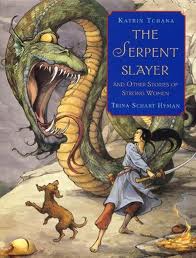
retold by Katrin Tchana
illustrations by Trina Schart Hyman
Boston: Little, Brown and Company, 2000
109 pp. – each individual story averages about 6 pages
Age: 5 + (some stories suitable for 4)
Interests: folk tales, princesses, pirates, fairy tales, magic, other cultures
Other books by this illustrator: St. George and the Dragon, Rapunzel
More
28 Apr 2011
by Kim
in Movies, movies 4+
Tags: castle, dragons, fairies, Fairy Tale, knights, Magic, Princess, romance, witches

Rated: G
Length: 75 min.
Age: 4 and up. Commonsense Media sez: iffy for ages 4/5
Scary Factor: no real danger until the climax, when Maleficent turns into a dragon to battle the prince (scene is relatively brief)
Intense Scenes: far more suspense and chills than outright scares – Maleficent is wonderfully threatening; scene in which Aurora pricks her finger on the spindle is eerie and enthralling.
Bad Behaviour: Boozing – the two kings drink endless toasts to each other and a minstrel gets quietly sloshed under the table.
Language: “fools! idiots! imbeciles!” barked by Maleficent at her underlings; she also mentions the powers of “hell”
Interests: fairy tales, princesses, knights, castles, dragons, magic, fairies
Next: Cinderella, Snow White and the Seven Dwarfs, Thumbelina
More
20 Apr 2011
by Kim
in Books, Classics
Tags: castle, Fairy Tale, goblins, Magic, Princess

by George MacDonald
1872 – originally published in London by Strahan & Co.
216 pp – 32 chapters
Age: 6+ (?)
Next: C. S. Lewis Narnia books, The Hobbit
Also by this author:
Dealings with the Fairies (1867) aka The Light Princess and Other Stories – includes the story “The Golden Key”, commonly regarded as a masterpiece
At the Back of the North Wind (1871) – along with P&G, his most famous work
The Princess and Curdie (1883) – sequel to The Princess and the Goblin, but a lot darker, more violent and destructive
More
13 Apr 2011
by Kim
in Books, books 4+
Tags: animals, China, Fairy Tale, family, folktales, strong girls, wolves

CALDECOTT MEDAL WINNER – 1990
Lon Po Po: A Red-Riding Hood Story from China
Ed Young, author and illustrator
New York: Philomel, 1989
28 pp
Ages: 4 +
Interests: fairy tales, folktales
More
11 Apr 2011
by Kim
in Books, books 5+
Tags: action, adventure, British history, castle, dragons, Fairy Tale, knights, Magic, Princess, saints, travel
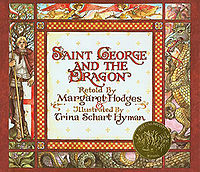
CALDECOTT MEDAL WINNER – 1985
Saint George and the Dragon
Trina Schart Hyman, illustrator
text retold by Margaret Hodges
New York: Little, Brown, 1984
32 pp
ages 5 +
Interests: fairy tales, knights, dragons, princesses, quests, castles, British history, saints
Next: King Arthur stories, more about St. George
Also by this illustrator: Rapunzel, The Serpent Slayer; and Other Stories of Strong Women
More
19 Mar 2011
by Kim
in Books, books 3+
Tags: bedtime, castle, Fairy Tale, moon, night, Princess

CALDECOTT MEDAL WINNER – 1944
Many Moons
James Thurber, author
Louis Slobodkin, ill.
New York: Harcourt, Brace & Co., 1943
45 pp
age 3+
Interests: fairy tales, princess, castles, moon
More
13 Mar 2011
by Kim
in Movies, movies 4+
Tags: adventure, boats, Fairy Tale, fish, Japan, Magic, nature, ocean, romance, sea creatures, spirits, storms, strong girls, weather, wizard
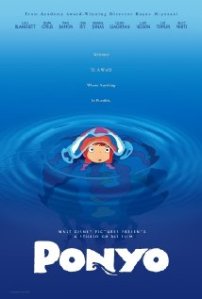
Rated: G
Length: 101 min.
Age: 4 and up.
Scary Factor: typhoon and tsunami, storm at sea mitigated by sight of little girl happily running on top of the waves!; entire island is submerged in huge flood, but no casualties
Intense scenes: twice Sosuke thinks his fish is dead (briefly); after floods Sosuke finds his mother’s car, eerily empty, and starts to cry, but finds her soon after
Language: mother calls the oddball wizard a “freakshow”; she also calls her husband a “Jerk!”; the wizard calls humans as a species “filthy” and “stupid” (which is justified)
Interests: ocean, sea creatures, magic, nature, spirits, boats, fish, wizards
Next: BOOK: The Little Mermaid (Hans Christian Andersen); MOVIES: My Neighbor Totoro, Finding Nemo (a little scarier), The Little Mermaid (a lot scarier)
More
04 Mar 2011
by Kim
in Movies, movies 5+
Tags: adventure, fairies, Fairy Tale, insects, Magic, ocean, puppets, single parent, theatre, toys, whales

Rated: G
Length: 88 min.
Age: 5 and up Commonsense Media sez: 6 +
Scary Factor: Stromboli character waving an axe and threatening; young Lampwick’s terror as he turns into a donkey; Coachman herding the donkey-boys with a whip; enormous whale Monstro chasing them at the end
Also: scenes with alcohol and smoking are too numerous to mention; some leering and mild sexual innuendo from lady’s man Jiminy; character playing with fire; wanton destruction
Intense: some children may have trouble with Pinocchio’s ‘death’ near the end, but keep them watching because he isn’t dead for long!
Language: “Give a bad boy enough rope and he’ll soon make a jackass of himself!”
Interests: fairy tales, fairies, magic, puppets, insects, ocean, whales
Next: Dumbo (also astonishingly not-politically-correct)
More
Previous Older Entries Next Newer Entries


 Rarest Kind of Best
Fairy Tale Controversy, Part 1
03 Jun 2011 Leave a comment
by Kim in Books, Classics, Commentary Tags: Fairy Tale
“Why should the mind be filled with fantastic visions, instead of useful knowledge? Why should so much valuable time be lost? Why should we vitiate their taste, and spoil their appetite, by suffering them to feed upon sweetmeats?” – Maria Edgeworth, Preface to The Parent’s Assistant (1796) ¹
Fairy tales go back a long way. Early versions of “Beauty and the Beast” were told in classical Greece and ancient India.² A written version of “Sleeping Beauty” exists from the 20th Dynasty in Egypt.³ It’s truly astonishing how similar folk and fairy tales are across all cultures, sharing plotlines, characters, themes and motifs. The most well-known stories today are only a tiny fraction of thousands of stories from all parts of the globe, and come to us largely from two publications: Histoires ou Contes du Temps passé by Charles Perrault (1696) and the German collections of Jacob and Wilhelm Grimm (1812-1857).
More